Whether you were diagnosed last month or you’ve been managing diabetes for years and just feel tired of it all — this plan is for you. There’s no strict diet to follow. No marathon training required. Just small, real steps you can actually live with, stacked one week at a time over 12 weeks.
By the end, you won’t have overhauled your whole life. You’ll have built a handful of solid habits that stick — and that’s exactly what changes blood sugar over time.
Why 12 Weeks?
Twelve weeks is a sweet spot. It’s long enough for new habits to feel natural, but short enough to feel achievable. Many successful diabetes programs — including structured education classes and digital health apps — run 10 to 12 weeks for exactly this reason. Research on habit formation shows that most new behaviors start to feel automatic somewhere between 8 and 12 weeks of consistent practice.
This plan doesn’t ask you to do everything at once. Each two-week phase builds on the last, so you’re always adding just one or two things at a time.
Your 12-Week Roadmap at a Glance
6 Phases, 2 Weeks Each
Weeks 1–2: Tiny habits and basics — build your foundation
Weeks 3–4: Easy food tweaks — swaps and fat awareness
Weeks 5–6: Salt and portions — small changes, big impact
Weeks 7–8: Movement — find what fits your life
Weeks 9–10: Digital tools — add a helpful co-pilot
Weeks 11–12: Review and refine — make it yours forever
Weeks 1–2: Build Your Foundation
Before anything else, you need two simple anchors: a check habit and a medication reminder.
Your check habit might be checking your blood sugar at the same time every morning, or logging how you feel after meals in a notes app. Your medication reminder is just that — a phone alarm or a sticky note that means you never miss a dose.
These two habits sound simple, and they are. That’s the point. Simple habits actually happen.
Your Week 1–2 homework: Write down your check habit and your reminder method. Set the alarm now. Do it every day this week, even if nothing else changes.
Weeks 3–4: Food Without the Overhaul
You don’t need a new meal plan. You need one swap a day.
This phase is about trading one higher-calorie option for a lighter one — once per day. Swap a regular soda for sparkling water with lemon. Try a smaller handful of chips alongside an apple instead of a full bag. That’s it. One swap.
You’ll also start noticing added fat — the butter piled on toast, the oil used to cook eggs. You don’t have to cut it out. Just start to see it. Reduce by a little where it’s easy.
Small food swaps done consistently outperform strict diets that last two weeks. Progress beats perfection every time.
Weeks 5–6: Salt and Portions
Salt is sneaky. It hides in canned soups, deli meats, sauces, and restaurant meals. This phase, your one job is to check one label per day for sodium content. You’re not eliminating salt — you’re building awareness.
On portions: try the “half-plate rule” for one meal a day. Fill half your plate with vegetables or salad before adding anything else. Or use a slightly smaller bowl for rice or pasta. You’ll likely eat a bit less without feeling restricted.
One practical tip: serve your plate at the stove, not at the table. It’s easier to stick with a reasonable amount when seconds require getting up.
Weeks 7–8: Movement That Fits Your Life
You don’t need a gym. You don’t need 30 minutes. You need 5 to 10 minutes tied to something you already do.
After dinner, take a short walk around the block — even a slow one helps lower blood sugar after eating. If walking is hard on your joints, try chair exercises: seated leg lifts, shoulder rolls, or gentle arm circles. Light stretching before bed counts too.
- Can walk: A 5–10 minute walk after one meal per day
- Limited mobility: Seated exercises or gentle stretching for 5–10 minutes
- Starting from scratch: Stand up and move around the house for one commercial break or one song
The goal is to connect movement to a mealtime so it becomes part of your routine — not a separate task to fit in.
Weeks 9–10: Add Your Digital Co-Pilot
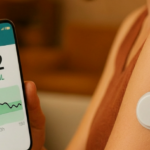
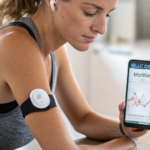
Technology won’t manage your diabetes for you, but the right app can make tracking easier and keep you motivated.
This phase, pick one app — a food logger, a blood sugar tracker, or a step counter — and spend 5 minutes a day using it. That’s your only commitment. If it’s helpful, keep it. If it’s not, try a different one next week.
You might also explore an online diabetes support group or a community class. Sometimes just knowing others are doing this alongside you makes a real difference.
Weeks 11–12: Review, Reflect, Reset
You’ve come a long way. Now it’s time to look back honestly — and celebrate what you’ve built.
3 Reflection Questions
1. Which habits felt the easiest — the ones I barely had to think about?
2. Which habits actually happened most days, even when life got busy?
3. What change am I most proud of making?
Use your answers to pick your 3 forever habits — the ones you’re keeping for good, no matter what. Write them down somewhere visible.
Then set one new goal for the next 3 months. It could be walking an extra day each week, trying one new vegetable each week, or getting your A1C checked. Keep it specific, keep it small.
Get the Free 12-Week Checklist
We’ve put together a simple one-page checklist that follows every phase of this plan. It’s designed to print for your fridge or save as a photo on your phone — wherever you’ll actually see it.
Download it here: Diabetes 12 Week Checklist
Ready to Begin? Start This Monday.
You don’t need a perfect moment to start. You just need a date. Make it this Monday. Open your calendar right now and mark it: Week 1 of My Reset Begins.
Then come back here and tell us: what are your two Week-1 habits going to be? Drop them in the comments below, or send us a note by email. We read every single one — and we’ll be cheering for you.
You’ve already done the hardest part: deciding to try. Now let’s take it one small step at a time.
###
Remember, proactive self-care matters. Every step we take, every decision we make to better manage our diabetes makes a difference in how well and how long we live. One small step you can take is to splash a little high quality, extra virgin olive oil on your greens and eat them first. Choose wisely. Live long, love life and be well.
The information on this site is not intended or implied to be a substitute for professional medical advice, diagnosis or treatment. The information on this site is for informational purposes only and is not intended to diagnose, treat, or cure any type of disease or condition. Diabetes Control Today does not guarantee any results for your specific situation. In support of our website, we may share resources offered by trusted partners. If you purchase products from any of these partners, the owners of this site may receive a portion of the proceeds. These affiliations allow us to continue bringing you valuable, potentially life-changing content. Some content on this site has been generated by AI.