If you’re living with diabetes, there’s exciting news from the American Diabetes Association. They’ve just released their 2026 Standards of Care in Diabetes, and it’s packed with updates that could make managing your diabetes easier, safer, and more effective than ever before.
For those unfamiliar, these standards are like the gold standard playbook that doctors and healthcare providers follow when diagnosing and treating diabetes. Every year, the ADA updates them based on the latest research, and this year’s changes are pretty significant.
Let’s break down what’s new and what it means for your day-to-day diabetes management.
Game-Changing Technology Updates
More People Can Access Automated Insulin Delivery
One of the biggest changes? The ADA now recommends automated insulin delivery systems (those smart insulin pumps that adjust your doses automatically) for everyone with type 1 diabetes and many people with type 2 diabetes who use insulin.
Even better, they’ve removed a bunch of hoops you used to have to jump through to qualify. You no longer need specific C-peptide levels, proof of certain antibodies, or a minimum time on insulin therapy. These barriers often prevented people from accessing technology that could truly transform their diabetes management.
The message is clear: if you could benefit from an automated insulin delivery system, you should be able to try it.
CGMs Are Now Recommended Right from Diagnosis
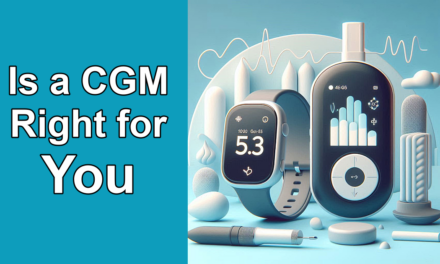
Continuous Glucose Monitors (CGMs) have become a cornerstone of modern diabetes care, and the 2026 standards reflect this. The ADA now recommends CGM use right from the start for people with type 1 diabetes or anyone using insulin.
But it doesn’t stop there. Even if you’re not on insulin, if you’re at risk for dangerous low blood sugar episodes or could benefit from seeing your glucose patterns in real-time, your doctor should consider recommending a CGM.
The key thing the standards emphasize is that CGMs work best when paired with proper education and support. It’s not just about wearing a device—it’s about understanding what the data means and how to use it to make better decisions about your food, activity, and medication.
Technology in School and Work Gets Official Support
Here’s something many families and working adults will appreciate: the new standards include specific guidance about using diabetes technology in schools and workplaces.
This means healthcare providers can now support you in ensuring that children, teens, and adults have adequate time and accommodations to monitor and manage their glucose levels safely throughout their day. No more feeling like you’re asking for special treatment—it’s now part of the official care recommendations.
Groundbreaking Medication Updates
GLP-1 Medications for Type 1 Diabetes (Yes, Really)
This is a first: the 2026 standards now support the use of GLP-1 receptor agonists (like Ozempic and Mounjaro) for adults with type 1 diabetes who have a BMI over 30 (or 27.5 for Asian Americans).
These medications were previously only recommended for type 2 diabetes, but research has shown they can help people with type 1 diabetes who are struggling with weight management. Of course, education about avoiding low blood sugar is crucial when adding these medications to an insulin regimen.
New Focus on Liver Health
Many people with type 2 diabetes also develop metabolic dysfunction-associated steatotic liver disease (MASLD), which is basically fatty liver disease. The new standards specifically recommend GLP-1 medications with proven benefits for liver health when you have both diabetes and MASLD.
For those with more advanced liver disease (called MASH), these medications are now the preferred first choice for blood sugar management because they tackle multiple problems at once.
Better Protection Against Complications
Heart, Kidney, and Diabetes Care Go Hand-in-Hand
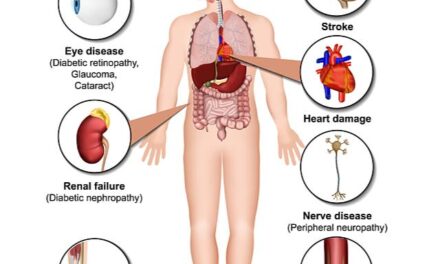
The 2026 standards take a more holistic view, recognizing that heart disease, kidney disease, and diabetes are deeply interconnected. Instead of treating them separately, the guidelines now emphasize choosing medications that protect multiple organ systems at once.
This means your doctor should be thinking about protecting your heart and kidneys even if they seem healthy right now, not just managing your blood sugar numbers.
The focus has shifted to selecting medications with proven benefits for cardiovascular and kidney health, regardless of what your HbA1c (average blood sugar) level is. It’s about the big picture of your health, not just one number.
Early Intervention for Long-Term Protection
There’s growing evidence that getting good blood sugar control early in your diabetes journey provides lasting protection against complications years down the road. The standards emphasize starting comprehensive treatment sooner rather than later.
Think of it like this: the better you manage your diabetes early on, the more you’re building a protective shield for your future health.
Improved Hospital Care Guidelines
Smarter Surgical and Perioperative Care
If you’re heading into surgery or a hospital stay, the new standards include updated guidance on managing blood sugar during these stressful times. This includes specific blood sugar targets during surgery and clearer protocols for using diabetes technology in the hospital.
Better Transitions from Hospital to Home
We all know hospital readmissions are frustrating and expensive. The updated standards emphasize better planning for when you leave the hospital, including making sure you have follow-up appointments scheduled and that your transition back to home care is smooth.
For older adults or those heading to rehabilitation facilities, there’s now more detailed guidance on ensuring quality diabetes care continues wherever you are.
Enhanced Mental Health Support
Screening for Diabetes Distress and Anxiety
Living with diabetes isn’t just physically demanding—it can be emotionally exhausting too. The 2026 standards now recommend annual screening for diabetes distress, anxiety, and fear of low blood sugar.
This isn’t about making you feel like you need therapy (though that can be incredibly helpful). It’s about recognizing that the mental and emotional aspects of diabetes are just as important as the physical ones.
If you’re feeling overwhelmed, burned out, or anxious about your diabetes, your healthcare team should have clear pathways to connect you with the support you need.
Recognizing the Mind-Body Connection
The guidelines acknowledge that blood sugar levels and mental health are closely connected. When your blood sugar is all over the place, it can affect your mood, energy, and ability to cope with stress. By helping you achieve more stable glucose levels, many people experience better mental and emotional wellbeing too.
Special Focus Areas
Pregnancy and Preconception Updates
For women planning pregnancy or who are pregnant, the standards include updated guidance on which non-insulin medications to stop and when, as well as improved recommendations for managing blood sugar during pregnancy.
Children and Adolescent Care
The pediatric sections now emphasize nutrition education, screening for mental health concerns, and checking for complications associated with both type 1 and type 2 diabetes in young people.
Cancer Treatment and Diabetes
For the first time, the standards include comprehensive recommendations for managing blood sugar during cancer treatment. Many cancer therapies can cause blood sugar problems, and now there’s clear guidance on how to handle this.
Practical Tips for Using These New Standards
Talk to Your Healthcare Team
Don’t wait for your doctor to bring up these changes. Print out the key points that matter to you and bring them to your next appointment. Ask questions like:
- “Am I a candidate for CGM or automated insulin delivery?”
- “Should we consider medications that protect my heart and kidneys?”
- “Are you screening me for diabetes distress and mental health concerns?”
Understand Your Technology Options
If you’re curious about CGMs or automated insulin delivery systems, ask your healthcare provider for a detailed explanation of what’s available and what might work best for your lifestyle.
Don’t Forget the Basics
While all these technology and medication advances are exciting, the fundamentals still matter. The standards continue to emphasize:
- Healthy eating patterns (like Mediterranean or lower-carbohydrate diets when appropriate)
- Regular physical activity
- Adequate sleep
- Stress management
- Regular follow-up appointments
Advocate for Yourself
If cost or insurance coverage is preventing you from accessing recommended technologies or medications, speak up. Your healthcare team may be able to help you navigate insurance appeals, find patient assistance programs, or identify alternative options.
What This Means for Different Types of Diabetes
For People with Type 1 Diabetes
The expanded access to automated insulin delivery and CGM from diagnosis could be transformative. No more proving yourself “worthy” of technology—if it can help you, you should have access to it.
The addition of GLP-1 medications as an option for weight management is also new territory that’s worth discussing with your endocrinologist.
For People with Type 2 Diabetes
The emphasis on medications that protect your heart and kidneys, even if your blood sugar is well-controlled, could add years to your life. Don’t be surprised if your doctor recommends adding or switching medications even if your HbA1c looks good.
The liver health recommendations are also important, as fatty liver disease is incredibly common in type 2 diabetes.
For Parents of Children with Diabetes
The school accommodation guidance provides official backing when you’re working with your child’s school to ensure they can safely use their diabetes technology and have time to manage their blood sugar.
The mental health screening recommendations acknowledge that young people face unique challenges with diabetes management.
The Bottom Line
The 2026 ADA Standards of Care represent a shift toward more personalized, technology-enabled, and holistic diabetes management. They recognize that diabetes affects every aspect of your life—physical, mental, and emotional—and that modern treatment should address all of these dimensions.
These aren’t just guidelines for doctors. They’re a roadmap for better diabetes care that puts you at the center. Whether it’s expanded access to life-changing technology, new medication options, better mental health support, or improved protection against complications, these updates offer new hope and new possibilities.
The field of diabetes care is advancing rapidly, and these standards ensure that the latest research findings make their way into real-world practice. While challenges like cost and access remain, knowing what’s recommended can empower you to have more informed conversations with your healthcare team and advocate for the care you deserve.
Remember, you don’t have to wait for your annual checkup to discuss these changes. If something in these new standards sounds like it could help you, reach out to your healthcare provider. After all, the whole point of these guidelines is to improve your health and quality of life—and that starts with you.
The 2026 Standards of Care in Diabetes is available in the January 2026 issue of Diabetes Care and through the ADA’s mobile app for both iOS and Android. For more information, visit the American Diabetes Association’s website at diabetes.org.