If you were just diagnosed with Type 2 diabetes, there’s a good chance someone handed you a list of foods to avoid and sent you on your way. Skinless chicken. Plain rice. Steamed broccoli. No salt, no sugar, and definitely no joy. I call that the Clinical Deprivation Trap, and I want you to know something right away: that’s not the only way to eat well with diabetes.
There’s another way, and it’s been quietly protecting hearts, brains, and blood sugar for generations. It’s the Mediterranean way of eating, and it’s built on real olive oil, real vegetables, real fish, and yes, real bread. Let me walk you through why it works and how to start, gently.
Why Your Blood Sugar Loves This Way of Eating
Here’s the simple version of what’s going on. Plain, low-fat food is mostly fast carbohydrate, and fast carbohydrate treats your blood sugar like a light switch. On, off. Spike, crash. An hour later you’re hungry again, even though you just ate.
A Mediterranean plate works more like a thermostat. It doesn’t flip. It nudges, and it holds steady. The fiber in vegetables, beans, and whole grains, combined with the healthy fat in olive oil, nuts, and fish, forms something I call the Stomach Sponge. That sponge is thought to slow how fast sugar leaves your gut, so the same food arrives in your blood as a trickle instead of a flood.
When that flood stops, good things tend to follow. Weight becomes easier to manage. Heart, blood pressure, and stroke risk tend to fall. Blood sugar steadies out. The brain tends to stay sharper. And populations who eat this way over the long run tend to live longer with fewer chronic conditions.
This isn’t a new idea, either. Back in the 1950s, a researcher named Ancel Keys noticed that people living around the Mediterranean had strikingly less heart disease than Americans did. Decades of research since then has kept pointing in the same direction.
What Actually Goes on the Plate
You don’t need a rulebook for this, and that’s the point. Here’s the shape of it.
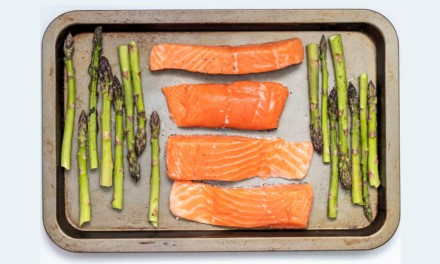
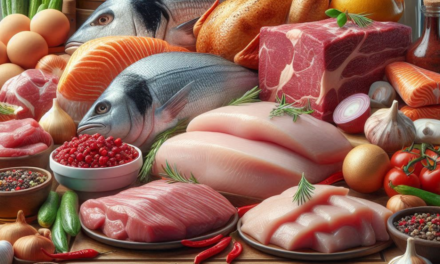
Start with abundance, not restriction. Half your plate is vegetables and fruit. A quarter is beans, lentils, or whole grains, what I call your Slow Gold, because they burn slow and steady instead of spiking you. The last quarter is fish, nuts, or seeds, your Omega Armor, protecting you rather than punishing you.
Then comes the ritual I want you to try first, because it’s the easiest place to start. Pour real extra virgin olive oil, what I call Green Gold, generously over a plate of greens. Splash some vinegar. Toss it, and eat those greens first, before anything else on your plate. That’s the Stomach Sponge Swirl, and it sets the table for everything that follows.
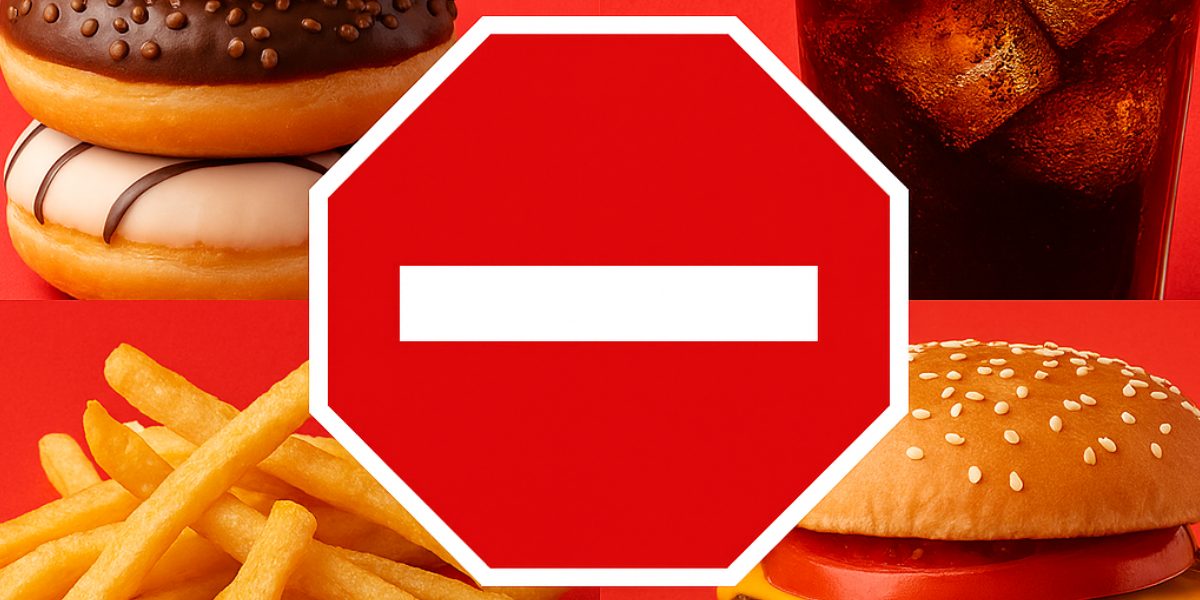
Poultry, eggs, cheese, and yogurt still have a place here, in moderation. The real limit is ultra-processed food, added sugar, refined grains, and sweet drinks. Flavor comes from herbs and spices instead of a salt shaker or a sugar packet. And there’s no counting calories, no counting macros, no counting your way into exhaustion. It’s common sense, moderation, and joy at the table.
An Honest Word About Wine, and About the One Real Drawback
I want to be straight with you on two things.
A small glass of red wine does show up in this culture, but the alcohol itself isn’t what’s healthy. If you don’t drink, please don’t start on my account. As a diabetic, your care team gets the final word on that, not me.
And I’ll be honest about the one real drawback of this way of eating: there is no rulebook. Some people miss having a strict list to follow. But that same looseness is exactly why people who start eating this way are still eating this way years later. It becomes a way of life, not a diet you white-knuckle through.
Watch Out for the Landmine in Aisle 7
Here’s where I see people slip after they’ve done everything right at the table. They walk into the grocery store, and a box says “diabetic friendly,” “low fat,” or “sugar free.” Flip it over. Often the fat came out and refined flour or sweeteners went in. You’ve just bought the same light switch in a healthier-looking box. Same spike, same crash.
The swap is simple. A handful of nuts. Plain Greek yogurt with a little cinnamon. A piece of fruit with a slice of cheese. Real fat, real fiber, real food. Nothing in a box needs to call itself diabetic friendly. The olive tree never did.
Where to Start Tonight
If all of this feels like a lot, here’s the one small move I’d make first: tonight, before your next meal, pour real olive oil and a splash of vinegar over a plate of greens, and eat those greens before anything else. That’s it. That’s the whole first step.
You don’t have to overhaul everything on day one. This is how we take our tables back, one meal at a time, and it’s a lifestyle you can actually keep.
Educational content — not medical advice. Talk to your doctor before changing your diabetes management.