Most people think there’s no real connection between olive oil and blood sugar — or they think it’s the opposite, some kind of miracle shot that cancels out carbs if you drink enough of it before a meal. Here’s what’s actually true: it’s neither of those things, and the real story is a lot more useful than either myth.
A good pour of extra virgin olive oil doesn’t block a single gram of carbohydrate from reaching your bloodstream. What it can do is change the timing — take a spike that would’ve hit hard and fast, and turn it into something your body can actually keep up with. That’s not a small thing. That’s the difference between a Spike Monster crashing the party and a meal that just quietly does its job.
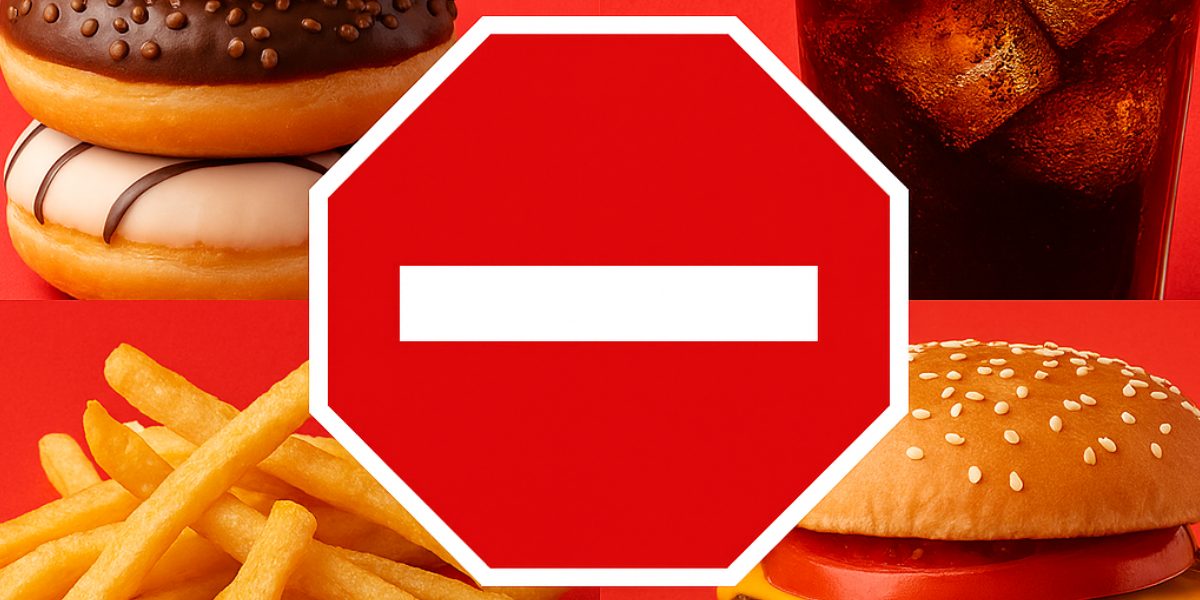
I want to walk you through what’s really going on here, because this is exactly the kind of half-truth that gets people either dismissing olive oil as hype, or pouring it on doughnuts and calling it health food. Neither one serves you.
What “Post-Meal Glucose” Actually Means
Every time you eat something with carbohydrate in it, your blood sugar rises afterward — that’s called your post-meal, or postprandial, response. For someone managing Type 2 diabetes, prediabetes, or insulin resistance, how fast and how high that rise happens matters just as much as how much carbohydrate was on the plate to begin with. A steep, fast climb asks a lot of your body all at once. A slower, gentler climb gives your system room to keep pace.
So when I talk about olive oil “helping” with blood sugar, I’m talking about the shape of that climb — not the total amount of carbohydrate your body eventually absorbs. That’s an important line, and I’m not going to blur it just to make a better headline. This is about how a meal is built, not about a shot of oil working like medicine.
Extra Virgin Olive Oil Works Best as Part of a Mediterranean-Style Meal
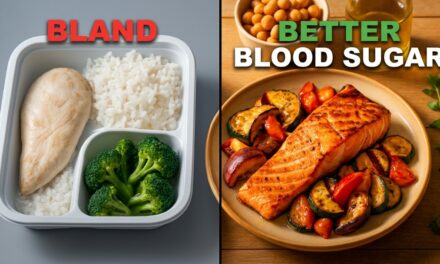
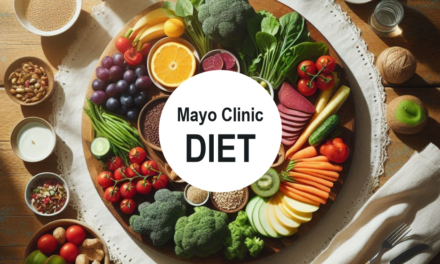
Here’s the piece that gets left out of almost every article on this topic: olive oil earns its keep as part of a Mediterranean diet, not as a solo act. A high-polyphenol extra virgin olive oil — what I call Green Gold — shows up in these meals alongside vegetables, legumes, whole grains, fish, and nuts. That’s the real Flatline Feast: a Mediterranean-style meal built so that fiber, protein, and healthy fat are all doing their part together, not one ingredient trying to carry the whole plate. (If you haven’t already, it’s worth reading The Mediterranean Diet: A Flavorful Path to Better Health for Diabetics — this post builds directly on it.)
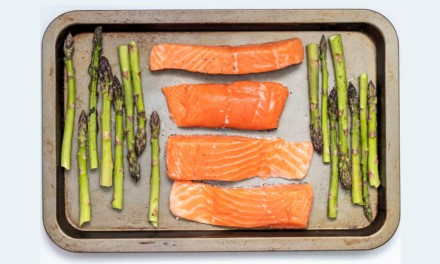
Swap out the butter on your vegetables for green gold, dress your salad with it instead of a sugary bottled dressing, finish your lentils or your salmon with it — that’s using olive oil the way it’s meant to be used. Pouring it over white bread and sweets and expecting it to cancel out the damage is a different thing entirely, and it doesn’t work that way. One tablespoon of olive oil runs about 120 calories, so it belongs in place of a less useful fat, not stacked on top of everything else on your plate.
The Slow Gold Effect: How Extra Virgin Olive Oil Changes Post-Meal Glucose Timing
Here’s the mechanism, and I’ll keep it plain. When fat shows up in a meal, it slows down how fast food leaves your stomach — a process called gastric emptying. Think of your stomach like a funnel feeding a drain. Pour water straight through, it rushes out all at once. Add a little oil to that funnel and the flow slows to a steady trickle. Same amount of water, same drain — just a gentler, more manageable pace. That’s what fat does to a carb-heavy meal on its way into your bloodstream.
There’s a hormone involved too, called GLP-1, that gets released after eating and helps your body time out insulin release while also helping slow that stomach-emptying process further. In a review of meal-timing research, a small study found that adding olive oil before a carbohydrate-heavy meal delayed gastric emptying, raised GLP-1, and improved the post-meal glucose response compared to the same meal without it. That’s not olive oil blocking carbs — that’s olive oil buying your body time to keep up with them.
What the Human Trials Show About Olive Oil and Blood Sugar
I’m not going to throw a made-up number at you, because this voice doesn’t do that. But there are real numbers worth knowing.
In a randomized trial of people with Type 1 diabetes, adding about 37 grams of extra virgin olive oil — roughly two and a half tablespoons — to a high-glycemic meal cut the early post-meal glucose rise by around half, compared to the same meal made with butter or almost no fat. Here’s the part that matters most, though: that same amount of olive oil made no meaningful difference when it was added to a low-glycemic meal. The Slow Gold carbs — the legumes, the whole grains, the meals already built to digest slowly — didn’t need the extra help. The olive oil mattered most when the meal itself was already working against you.
A separate study in people with impaired fasting glucose found a similar pattern: a meal built with extra virgin olive oil produced a gentler post-meal glucose and insulin response than a comparable meal without it. Small studies, short time windows, specific populations — I’ll say that plainly too. But the direction is consistent, and consistent is worth paying attention to.
Meal Quality Still Runs the Show
I need to be blunt about something, because this is where the Corporate Cardboard Diet mentality gets it backwards. Building your meals around slow gold carbs and a real Fiber Shield of vegetables and legumes is a more dependable strategy than dumping olive oil onto refined starches and hoping it cancels them out. In that same Type 1 diabetes trial, the olive oil didn’t move the needle at all on the low-glycemic meal — because the meal itself was already doing the work. Fat can lower an early spike and still leave a longer, later rise in its place if the rest of the plate is working against you. The oil is a helper. It was never meant to be the whole plan.
A Word for Anyone on Insulin
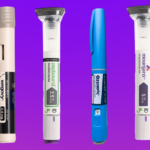
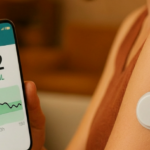
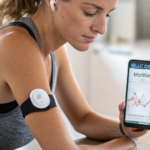
If you take mealtime insulin, especially rapid-acting insulin, this next part is for you directly. A slower glucose rise from added fat can also mean a delayed one — and that can complicate the timing between your insulin and your food in ways that are easy to miss on a glucose monitor. Olive oil is food. It is not glucose-lowering medication, and it’s not a reason to change your dosing on your own. If you’re watching a continuous glucose monitor and noticing a smaller early rise followed by a later climb, that’s worth bringing to your care team, not something to guess your way through.
Where This Leaves You
Olive oil doesn’t make carbohydrates disappear, and it was never going to. What a good extra virgin olive oil can do — as part of a real Mediterranean-style plate, alongside vegetables, legumes, whole grains, and protein — is help take the edge off a spike monster and turn a rough climb into something your body can actually handle. That’s not a magic trick. That’s just food, used the way it was meant to be used.
If you’ve been building your plates this way already, this is the science backing up what you already know works. And if you haven’t started yet, this is as good a place as any to begin — one plate, one pour of green gold, at a time.
###
Remember, proactive self-care matters. Every step we take, every decision we make to better manage our diabetes makes a difference in how well and how long we live. One small step you can take is to splash a little high quality, extra virgin olive oil on your greens and eat them first. Choose wisely. Live long, love life and be well.
The information on this site is not intended or implied to be a substitute for professional medical advice, diagnosis or treatment. The information on this site is for informational purposes only and is not intended to diagnose, treat, or cure any type of disease or condition. Diabetes Control Today does not guarantee any results for your specific situation. In support of our website, we may share resources offered by trusted partners. If you purchase products from any of these partners, the owners of this site may receive a portion of the proceeds. These affiliations allow us to continue bringing you valuable, potentially life-changing content. Some content on this site has been generated by AI.